
PET INSURANCE • PRACTICAL DECISIONS

Choosing insurance for an older cat

Age eligibility is the first filter. The important comparison is what useful medical protection remains after the cat’s history is considered.

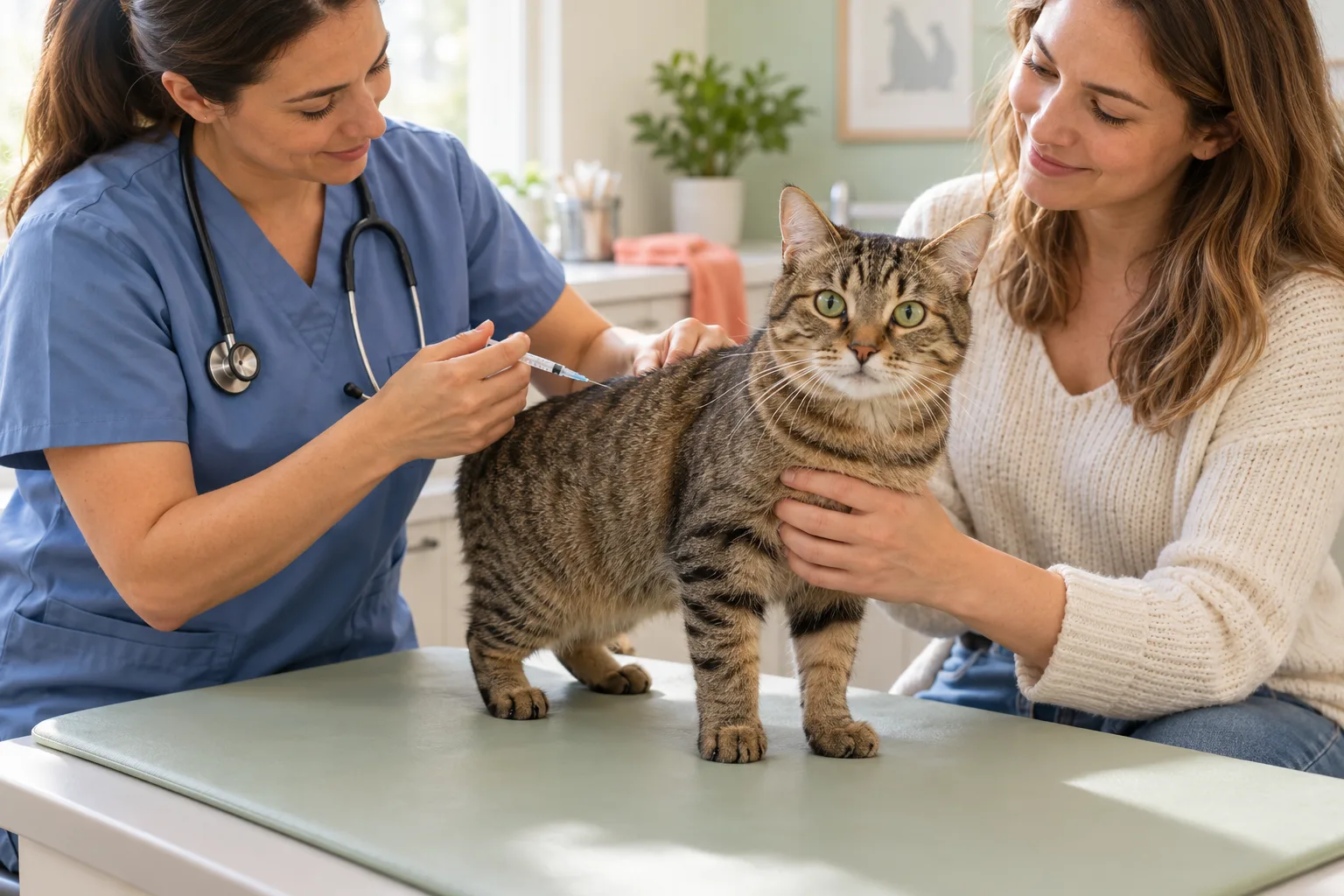
Veterinary professional tending to a tabby cat while the owner supports it
✓ Policy-first ✓ Independent ✓ Useful checks
Direct answer
For an old cat, start with insurers that still offer the type of cover you want at that age. Pets Best and ASPCA Pet Health Insurance advertise no upper-age enrollment restriction; Embrace distinguishes new accident-and-illness enrollment under age 15 from accident-only enrollment at 15 or older. None of those statements guarantees payment for an existing illness. The best choice depends on the offered exclusions, ongoing-care benefits and an affordable renewal.
What to know

Use age and plan type together

Candidate to investigate What current materials establish Important boundary
Pets Best No upper-age cutoff for cat enrollment Eligibility does not remove pre-existing-condition exclusions; inspect the actual medical plan and selected options
ASPCA Pet Health Insurance No upper-age restriction, with Complete Coverage and accident-only routes Ask which scope and limits are actually offered for this cat
Embrace New accident-and-illness enrollment under 15; accident-only for cats 15 or older Accident-only does not answer a wish to insure future illnesses. Existing insured cats are a different renewal situation

For example, a 16-year-old cat applying for the first time needs an illness-capable offer if the owner’s priority is new medical disease. Do not rank a cheaper accident-only offer above illness protection without acknowledging the missing job. The age rules above are product-specific starting points, subject to the current state offer; they are not universal definitions of an old cat.

What to know

Decide whether the age-accessible alternative does the needed job

Embrace’s accident-only page describes a $5,000 annual limit, $100 annual deductible and 90% reimbursement, subject to the offered contract. It also excludes illnesses, chronic conditions, cancer, dental illness and orthopedic conditions such as cruciate-ligament tears. Do not translate its accident label into an assumption that every sudden problem is covered.

For a newly applying 16-year-old cat whose owner primarily wants future illness protection, that accident-only route is not an equivalent finalist to an eligible accident-and-illness offer. The correct next step is to investigate the illness-capable offers from age-accessible providers, not choose the smaller premium by comparing percentages alone.

For another owner who deliberately wants a narrower accident benefit and can separately fund illness care, it can remain a candidate if the exact exclusions and cost make sense. The decision differs because the requested insurance job differs, not because one owner’s cat is less deserving of care.

Cornell identifies hyperthyroidism as a disease mainly affecting middle-aged and older cats. That provides one concrete illness question to ask a finalist; it does not diagnose your cat. A high accident limit cannot fill an absent illness benefit, and a new illness policy still does not promise to cover disease already present.

Availability

Ask what the history leaves available to insure

Make a short, accurate list of previous diagnoses, unresolved symptoms and ongoing medicines, with the corresponding clinical records. A condition can be relevant even if a formal diagnosis arrived later. Have each insurer explain its exclusions and any stated exception using the same facts.

Embrace’s optional requested medical-history review is available only after you purchase and enroll. It can help explain how the records affect coverage, but it is not a pre-enrollment clearance service. If you use it, understand the refund and cancellation terms before relying on a later result. Do not cancel another policy merely because a new quote was produced.

Where an answer remains unknown, do not give the new plan credit for the desired benefit. An owner can still choose prospective protection for unrelated future problems, but that is a different value proposition from funding treatment already on the calendar.

Compare

If the cat is already insured, compare keeping it first

An existing policy may have begun before a condition appeared. A newly purchased policy will make its own history assessment. Compare the current renewal and a new offer as different contracts, even if the new monthly price is appealing.

Request any available adjustment under the current contract before deciding to replace it: ask what changing the deductible, reimbursement or optional benefits would do, when a change takes effect, and whether it could affect future eligibility. Do not assume a price reduction preserves every benefit or can later be reversed.

  • Keep known-care spending outside any assumed new-policy reimbursement
  • Compare the full annual commitment and the renewal provisions
  • Reject an unaffordable offer even if its benefit description looks stronger
  • Select the finalist that answers the cat’s actual remaining insurance need
Evidence

Sources and policy context

These public references support the consumer or veterinary context. Named insurer details were checked in official product materials; the policy offered for your pet and state determines the actual terms.

Next step

Compare Current Pet Insurance Rates

Check current options for your pet and location, then compare the policy details, exclusions, costs, and eligibility before choosing.

Compare the policy before you choose Check the actual offer, exclusions and out-of-pocket terms.
See Rate Options